Vegetables name in Kashmiri language
Planning a trip to Kashmir or simply love Kashmiri cuisine? Learn the Vegetables name in Kashmiri language to navigate markets and delve deeper into the region’s culinary delights!
Kashmir, a land known for its breathtaking beauty and rich cultural heritage, also boasts a unique and flavorful cuisine. Fresh, local vegetables play a starring role in Kashmiri dishes, creating vibrant and delicious meals. But if you’re new to Kashmiri cuisine, navigating the grocery store with unfamiliar vegetable names can be a challenge.
10 Vegetables Name in Kashmiri Language
The Kashmiri language, also known as Koshur, is a beautiful and ancient tongue with a distinct vocabulary for vegetables. Here’s a breakdown of some common vegetables you’ll encounter:
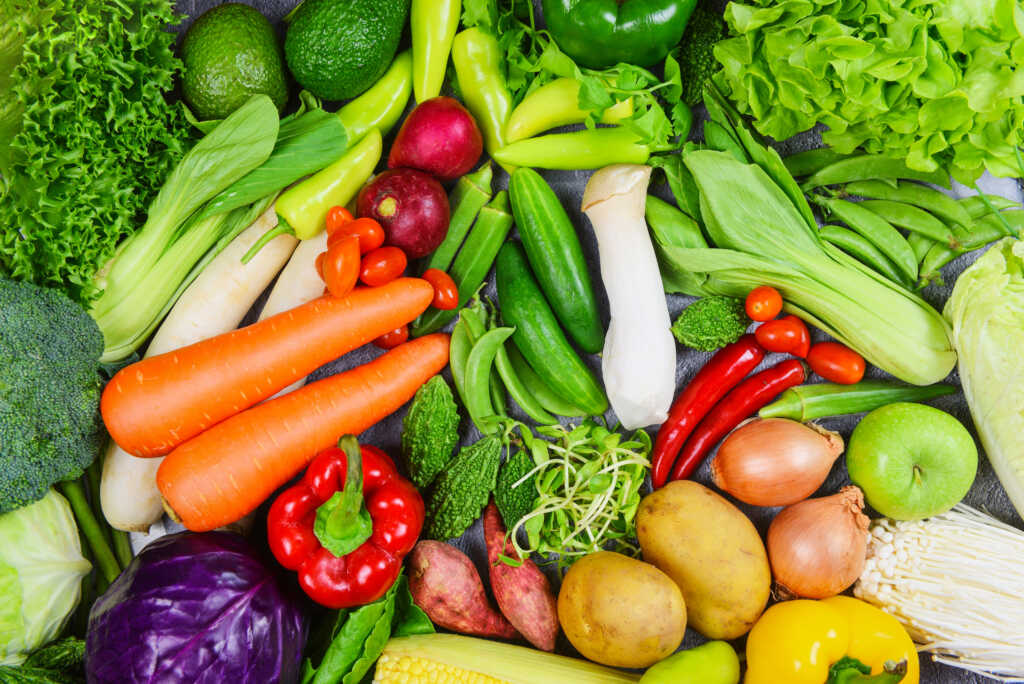
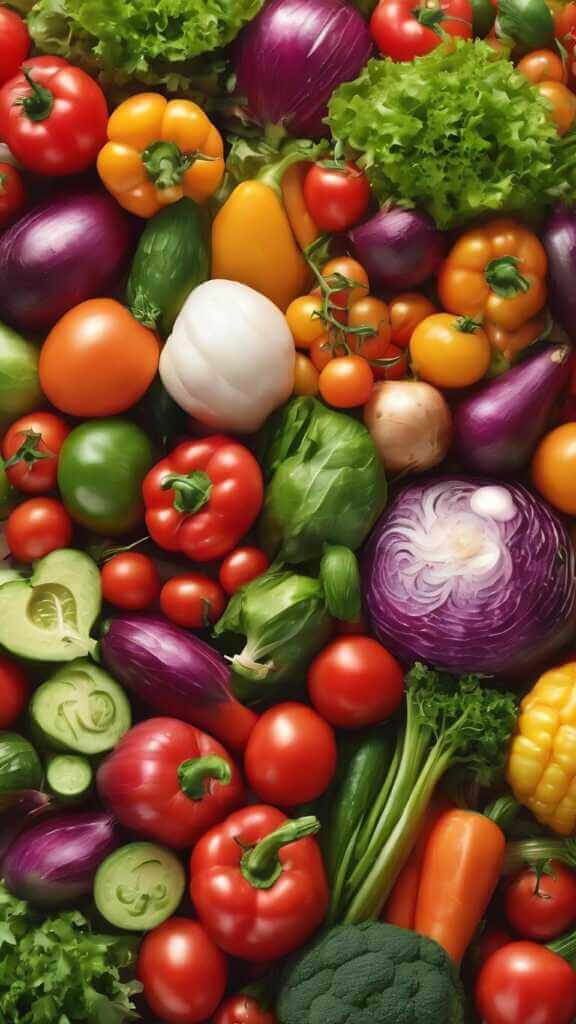
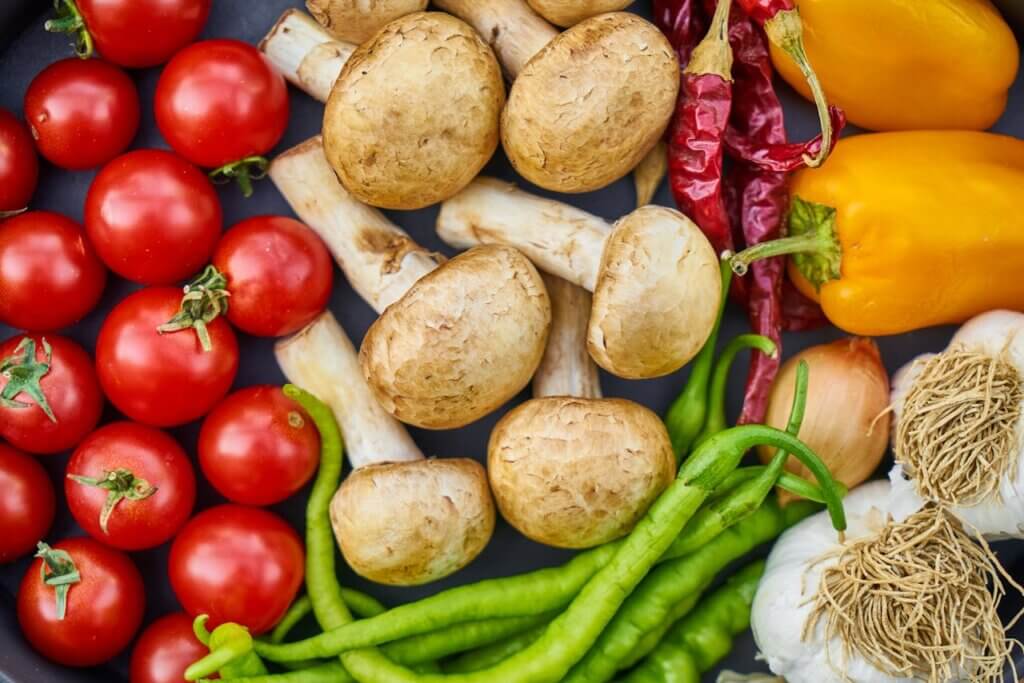
| English Name | Kashmiri Name | Hindi Name |
|---|---|---|
| Lotus stem | Nadroo | |
| Collard greens or kale | Haakh | |
| Radish | Monji/Mujj | Mooli/मूली |
| Eggplant/Brinjal | Wangun | Baingan/बैंगन |
| Gourd (bottle gourd or ridge gourd) | Aal | Laukee/लौकी |
| Turnip | Gogji | Shalgam/शलजम |
| Pumpkin | Aal | Kaddu/कद्दू |
| Potato | Olav | Aloo/आलू |
| Tomato | Tamatar | Tamatar/टमाटर |
| Cabbage | Bandh Gobi | Patta gobhee/पत्ता गोभी |
| Cauliflower | Gobi | Gobhee/गोभी |
| Spinach | Paalak | Palak/पालक |
| Carrot | Gaazar | Gaajar/गाजर |
| Beans | Phaliyaan/फलियाँ | |
| Green Peas | Matar | Matar/हरे मटर |
| Onion | Ganda | Pyaz/प्याज |
| Mushroom | Haddar | Masharoom/मशरूम |
| Cucumber | Laer | Kheera/खीरा |
| Garlic | Ruhan | Lahsun/लहसुन |
| Ginger | Adrak/अदरक | |
The Health Benefits of Kashmiri Vegetables
Kashmiri vegetables aren’t just delicious; they are packed with essential nutrients. Haakh is a powerhouse of vitamins A, C, and K, while Monj Haakh offers a good dose of vitamin C and fiber. Nadur is rich in antioxidants and promotes healthy digestion. These are just a few examples, of making Kashmiri vegetables a healthy addition to any diet.
Cooking with Kashmiri Vegetables: Tips and Tricks
Here are some insider tips to elevate your Kashmiri vegetable dishes:
- Freshness is Key: Use the freshest vegetables possible for the most vibrant flavors. Farmers markets are your best bet to find authentic Kashmiri produce.
- The Art of Seasoning: Kashmiri cuisine often relies on a subtle blend of spices. Fennel seeds, asafoetida, and Kashmiri red chilies are commonly used to enhance the natural flavors of the vegetables.
- Yogurt for Creaminess: Kashmiri curries often feature yogurt, adding a rich, creamy texture without overpowering the delicate flavors of the vegetables.
- Explore Local Techniques: Consider using traditional methods like “Wazwan” slow-cooking, which allows the vegetables to develop complex flavors.
People also ask:
-
Where can I find Kashmiri vegetables?
Many Indian grocery stores carry Kashmiri staples. You might also find some at farmers markets specializing in regional produce.
-
Can I substitute Kashmiri vegetables with readily available ones?
Absolutely! For instance, Swiss chard can be used instead of Haakh (collard greens). Explore different options based on what’s available in your area.
-
Where can I learn more about Kashmiri cuisine?
There are numerous cookbooks and online resources dedicated to Kashmiri dishes. You can also find travel blogs and videos showcasing the unique culinary traditions of the region.
-
Can I use Hindi words for vegetables while shopping in Kashmir?
Hindi is understood by many Kashmiris, but using local vocabulary is always appreciated. It demonstrates your interest in their culture and may help you connect with local vendors.
Endnote on Vegetables Name in Kashmiri Language
Learning the names of vegetables in Kashmiri is the first step towards appreciating this unique and delicious cuisine. With this newfound knowledge, confidently navigate the grocery store and whip up authentic Kashmiri dishes at home. Kashmiri food is a vibrant tapestry of flavors and textures, waiting to be explored. So, get cooking and unlock the culinary treasures of Kashmir!